10 Things We All We Hate About Pushchairsandprams.Uk
The Comprehensive Guide to Pushchairs and Prams in the UK
When it comes to welcoming a new baby into the world, moms and dads have a huge selection of options to make. Among these choices, selecting the ideal pushchair or pram is vital. With many alternatives available in the UK market, it is essential for moms and dads to understand the differences in between pushchairs and prams, their features, and how to pick the best one for their requirements. This guide intends to supply important insights into this topic, complete with tables, lists, and frequently asked questions.
Comprehending Pushchairs and Prams
Before diving into the details, it is essential to clarify the distinction between pushchairs and prams, as this understanding will guide brand-new moms and dads in making an educated choice.
Prams
Prams, frequently referred to as “carrycots,” are developed for babies due to their flat, fully-reclining position. They are more suitable for infants who can not stay up individually, offering a safe and comfortable space for them to lie down.
Pushchairs
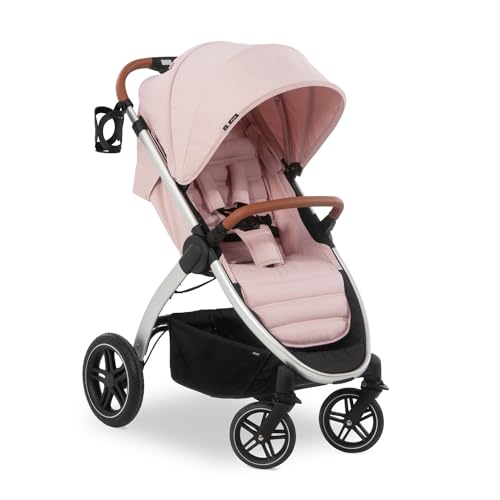
Pushchairs, on the other hand, are more versatile and can accommodate older babies and young children. They generally include adjustable seats that can recline or sit upright, making them appropriate for kids who have the ability to stay up on their own. Pushchairs are frequently lighter, more compact, and simpler to navigate in city environments.
Table 1: Key Differences Between Pushchairs and Prams
Function
Pushchairs
Prams
Ideal Age
6 months to 3 years
Birth to 6 months
Seat Position
Adjustable, can recline and stay up
Totally flat
Frame Weight
Typically lighter
Generally heavier, more stable
Portability
More compact, simpler for travel
Larger, less portable
Canopy
Frequently includes adjustable canopies
Standard canopy, if present
Elements to Consider When Choosing a Pushchair or Pram
Picking the ideal pushchair or pram requires careful consideration of various factors. Below is a list of crucial elements to take into consideration:
- Safety Features: Look for designs with a five-point harness, sturdy frame, and efficient brakes.
- Weight and Portability: Consider how frequently you'll need to carry the pushchair or pram. Lighter, foldable models are frequently chosen for city living.
- Age Range: Determine the age of your kid and pick a model that accommodates their present needs and future growth.
- Storage Space: Consider the storage options readily available. A bigger basket for bags and infant fundamentals is typically helpful.
- Maneuverability: Ensure that the pushchair or pram is simple to steer and browse. Small Tandem Pushchair can improve maneuverability, particularly in tight areas.
- Budget: Prams and pushchairs included differing rate tags. Set a budget plan based upon your monetary scenario and prioritize features that matter most to you.
Table 2: Popular Pushchair and Pram Brands in the UK
Brand
Key Features
Price Range
Bugaboo
Stylish style, personalized choices
₤ 700 – ₤ 1,500
Silver Cross
Timeless appearance, luxurious products
₤ 600 – ₤ 1,200
Britax
Safety-focused, easy to manage
₤ 200 – ₤ 600
Joie
Cost effective, user-friendly styles
₤ 100 – ₤ 400
Baby Jogger
Exceptional for outdoor usage
₤ 350 – ₤ 800
Picking the Right Model for Your Lifestyle
Your choice of pushchair or pram should be aligned with your lifestyle. Below are various scenarios along with ideal options:
City Living: If you reside in a busy urban environment, a lightweight pushchair with a compact fold and swivel wheels is perfect. Look for brand names like Joie or Britax.
Outdoor Activities: For parents who delight in outside activities, consider a more robust model with much better suspension and bigger wheels, like the Baby Jogger.
Long-Distance Travel: For those preparing to travel regularly, a collapsible pushchair that fits into airplane cabins will be important. Brands such as Bugaboo offer travel-friendly models.
Multiple Children: If you have twins or kids of various ages, think about a double pushchair with adaptable seating plans.
FAQs About Pushchairs and Prams
1. What is the very best age to switch from a pram to a pushchair?
A lot of moms and dads shift from a pram to a pushchair when their child reaches around 6 months, or when they can stay up individually. Nevertheless, this can differ based upon your kid's growth and choices.
2. Do I require to purchase a different safety seat?
Numerous pushchairs are suitable with safety seat, permitting travel systems. These can be practical if you regularly move between the car and the pushchair.
3. How do I maintain my pushchair or pram?
Regular maintenance involves cleaning the material, inspecting for loose screws, and guaranteeing the wheels are in excellent condition. Always refer to the manufacturer's standards for specific maintenance ideas.
4. Can I utilize a pushchair or pram on public transport?
Many pushchairs are designed for simple use on public transport. However, it's advisable to examine the measurements and weight to guarantee they abide by public transport policies.
5. What is a travel system?
A travel system consists of a pushchair that can be easily converted to accommodate a baby safety seat or a carrycot. This system offers convenience as you won't need to transfer your baby between different seats.
In summary, selecting the best pushchair or pram is a substantial choice for brand-new parents. By understanding the distinctions between pushchairs and prams, thinking about essential aspects, and acknowledging how your way of life effects your choice, you can make an informed choice that fits your household's needs. Whether you are navigating the streets of London or delighting in a countryside stroll, the ideal pushchair or pram will guarantee that both you and your youngster delight in each outing to the max.